Piezoreponse Force Microscopy
PFM
Nanoscale ferroelectric and piezoelectric domain imaging through electromechanical coupling detection
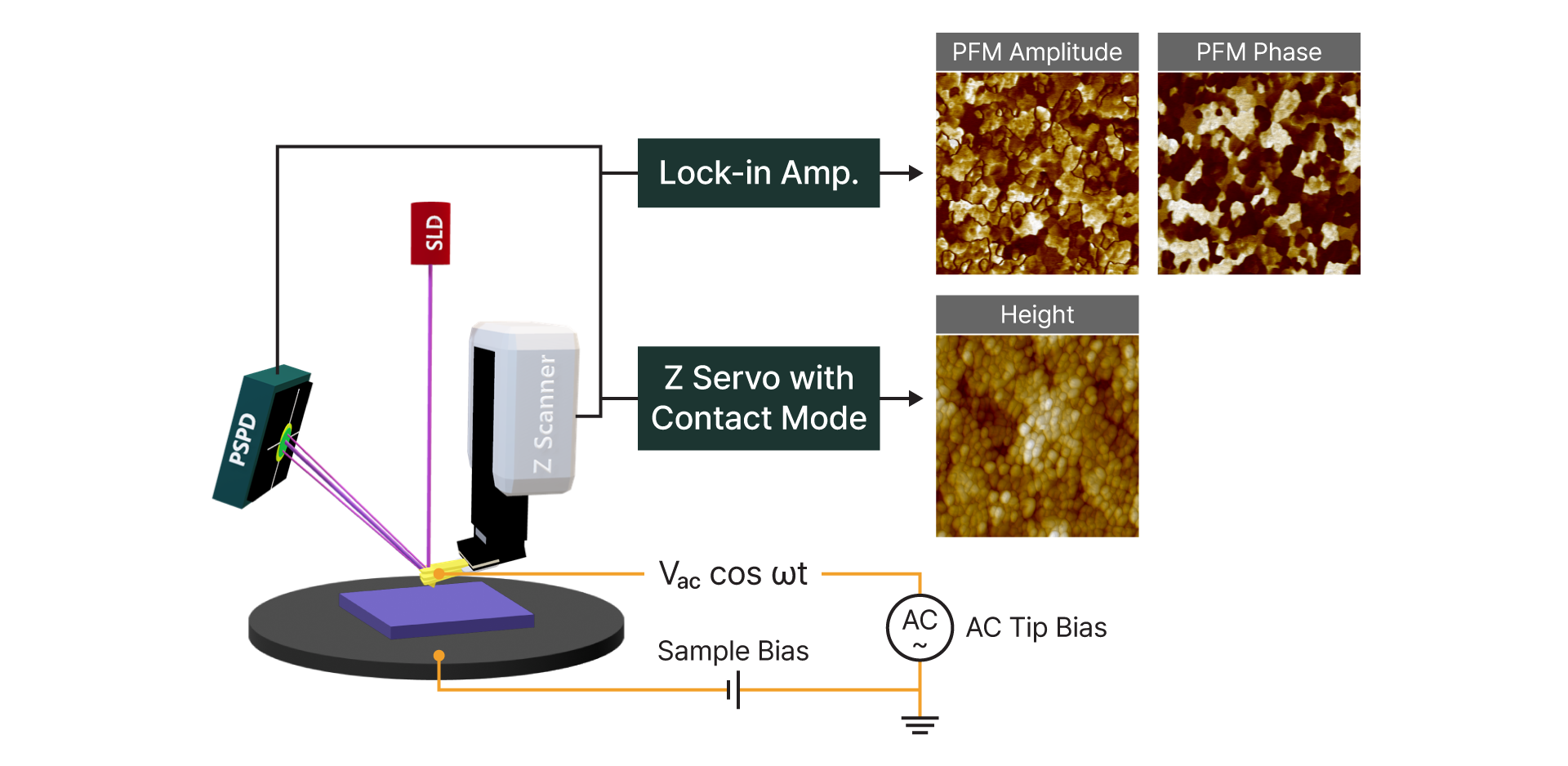
What is PFM
(Piezoreponse Force Microscopy)
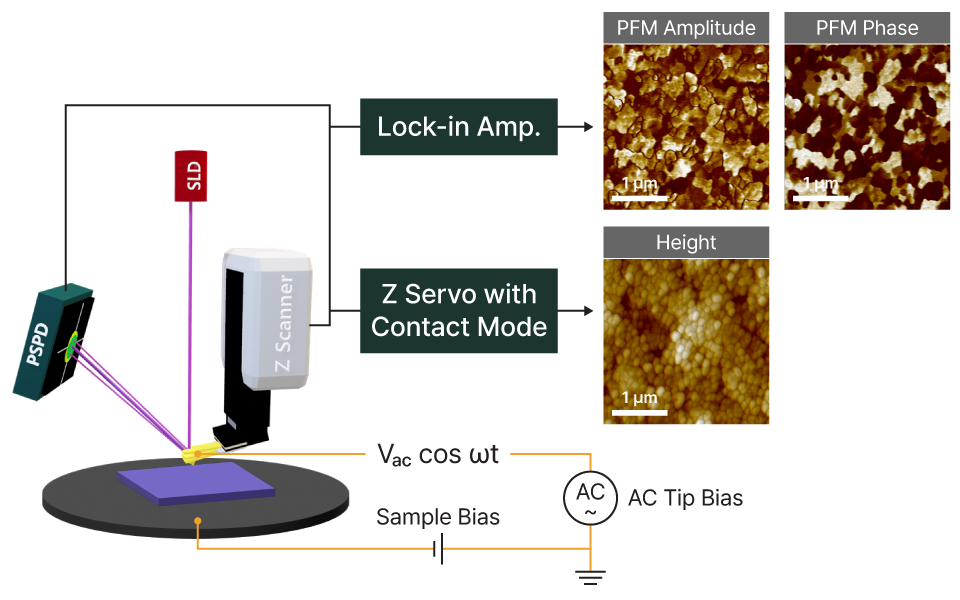
PFM measures surface deformation induced by an applied AC bias, revealing domain orientation and polarization switching in piezoelectric materials.
Using a conductive tip in Contact mode based, an AC voltage is applied to induce electromechanical deformation in the sample, allowing detection of spatial variations in piezoresponse. PFM amplitude images reveal the relative strength of the piezoelectric effect, while PFM phase maps indicate the orientation of polarization or charge direction within individual domains. Surface topography is simultaneously measured, and PFM signals are typically detected using a second lock-in amplifier for high sensitivity. PFM enables quantitative and qualitative characterization of polarization switching, detailed domain visualization, and local hysteresis behavior, making it a powerful tool for functional material research in electronics, sensors, and actuators.
Reasons to Use This Mode
PFM provides a comprehensive suite of nanoscale measurements on piezoelectric and ferroelectric materials. Both vertical and lateral PFM signals can be acquired, allowing analysis of out-of-plane and in-plane electromechanical responses. Through switching spectroscopy, PFM records piezoelectric hysteresis (PR curve) and characterizes domain switching dynamics, remnant polarization and switching behavior at specific locations. In addition, the technique visualizes the evolution of domain states under bias and captures dynamic switching processes at nanosecond timescales.
Vertical and Lateral PFM
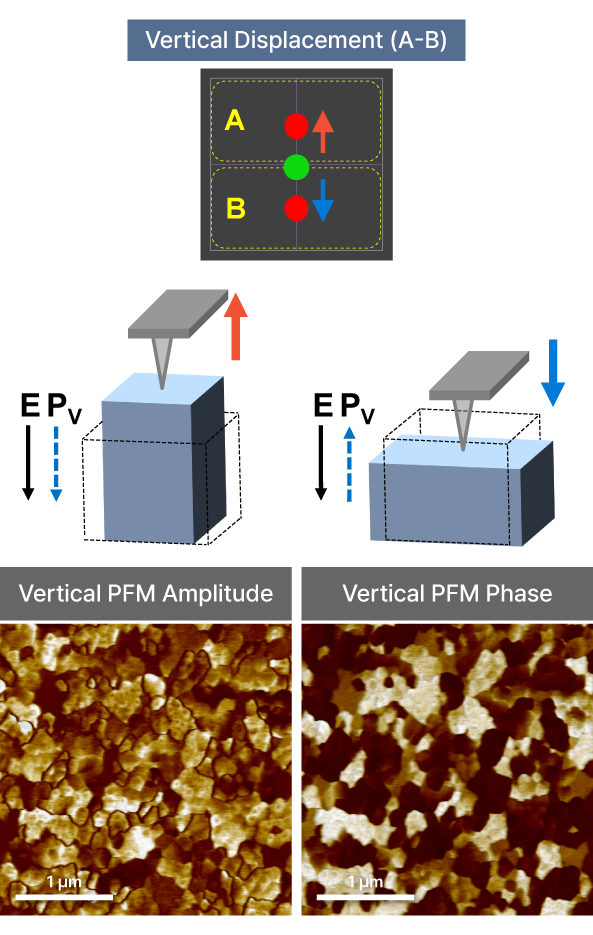
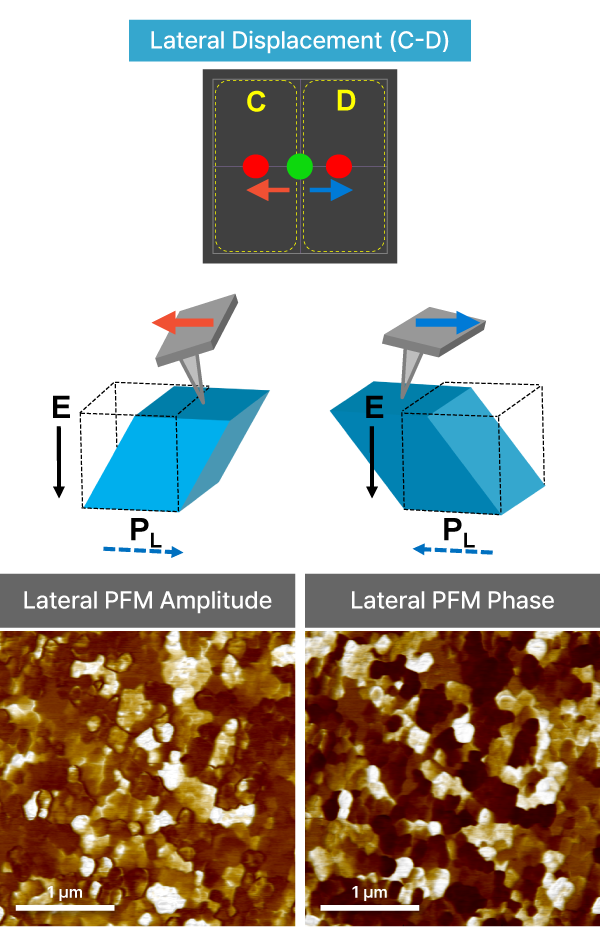
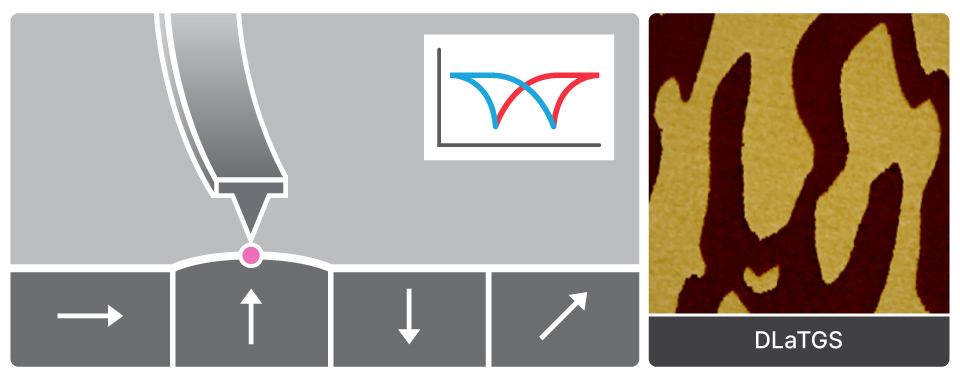
Piezoelectric materials exhibit dimensional changes in various directions according to their intrinsic poling properties. In PFM measurements, these electromechanical responses are resolved as vertical and lateral signals, which are detected using a position sensitive photodiode (PSPD). The vertical PFM signal (A-B) captures out-of-plane displacement caused by the imposed electric field, while the lateral PFM signal (C-D) detects in-plane movements perpendicular to the field. As illustrated, these distinct signals arise from differently oriented domains and poling directions within the sample. A lock-in amplifier is employed to separate the vertical and lateral components from the PSPD output, allowing for simultaneous, high-sensitivity mapping of both out-of-plane and in-plane piezoresponse.
  • Sample: BiFeO₃ (BFO)
  • System: NX10
  • Scan Size: 3 µm × 3 µm
PR Curve
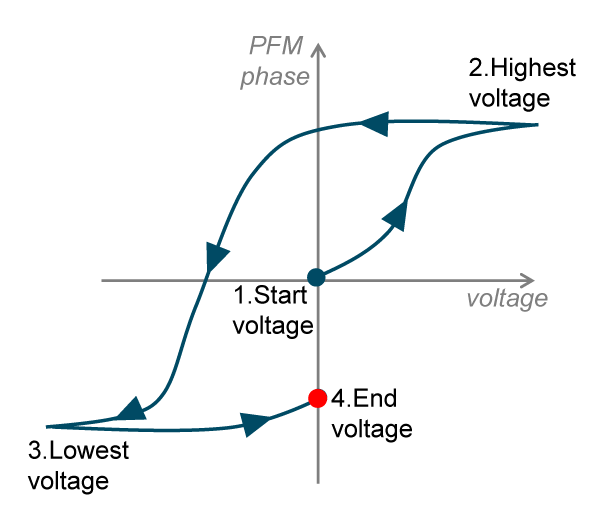
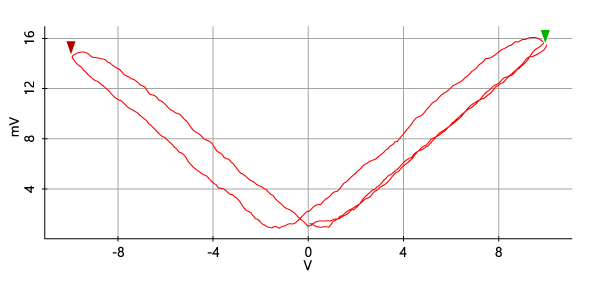
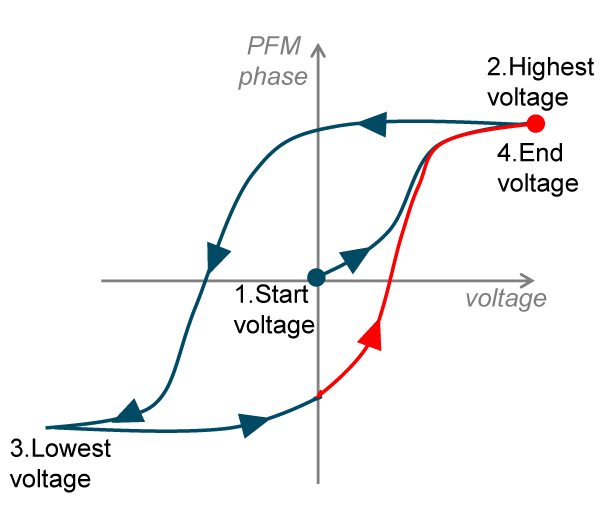
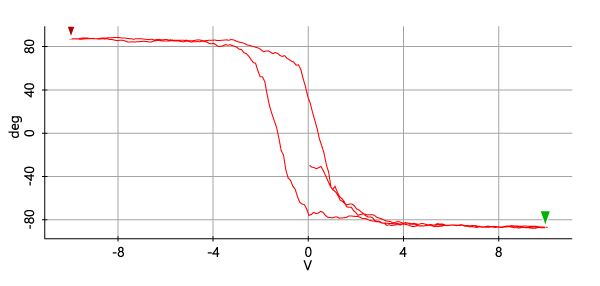
The PR (Piezoresponse) curve represents the variation in piezoelectric response as a function of DC bias voltage applied to the tip during PFM measurement. As the bias voltage is swept, the piezoresponse exhibits a nonlinear change, forming a closed hysteresis loop as shown in the figure. This distinctive loop behavior reflects reversible domain switching and allows extraction of coercive voltage and other key switching parameters specific to the probed nanoscale region. The PR curve is thus essential for characterization of ferroelectric switching dynamics in functional materials.
Bias Sweep
Start 0 V → Highest +10 V → Lowest -10 V → End 0 V
PFM Amplitude vs. Sample Bias
Bias Sweep
Start 0 V → Highest +10 V → Lowest -10 V → End +10 V
PFM Phase vs. Sample Bias
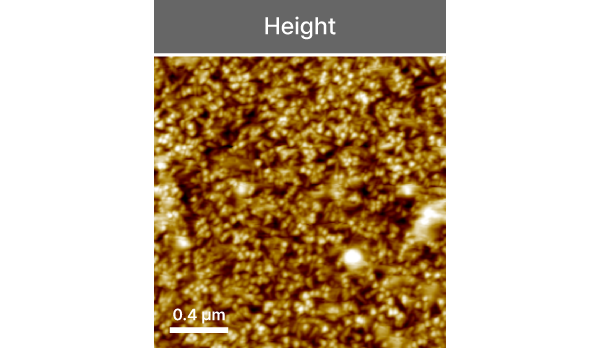
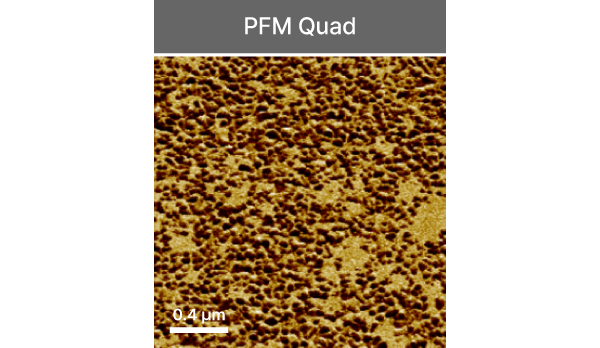
  • Sample: Polycrystalline Ferroelectric BCZT
  • System: NX12
  • Scan Size: 2 µm × 2 µm
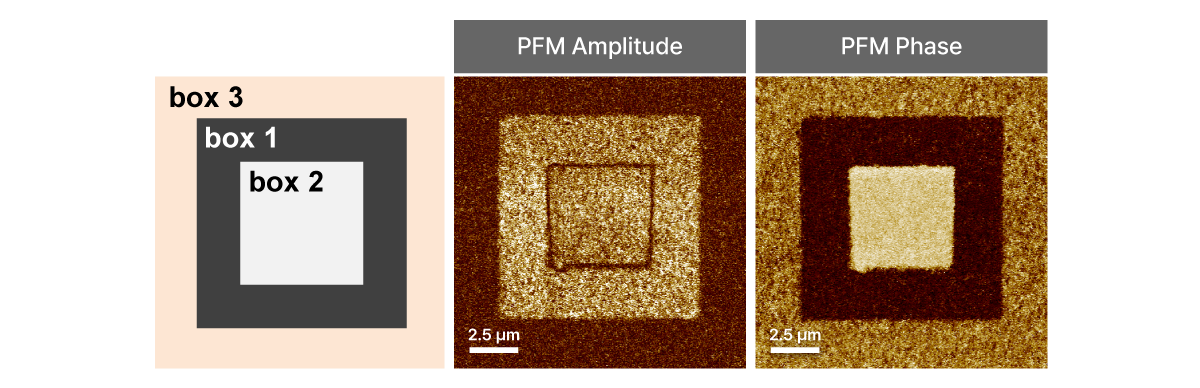
The study of domain switching in ferroelectric materials is essential for understanding their operational mechanisms in data storage and information technology. PFM imaging enables visualization of switched domains by applying patterned voltages, The figure shows one example of domain switching on PZT material, -10 V and +10 V biases are sequentially applied to defined areas, producing distinct polarization orientations and domain patterns. The configuration and clarity of switched domains, observed in both amplitude and phase images, directly depend on the magnitude and duration of the applied voltage pulses. This precise control allows systematic investigation of switching dynamics at the nanoscale, critical for the development of reliable ferroelectric memories and logic devices.
  • Sample: PZT Material
  • System: NX10
  • Scan Size: 15 µm × 15 µm
Applications and Use Cases
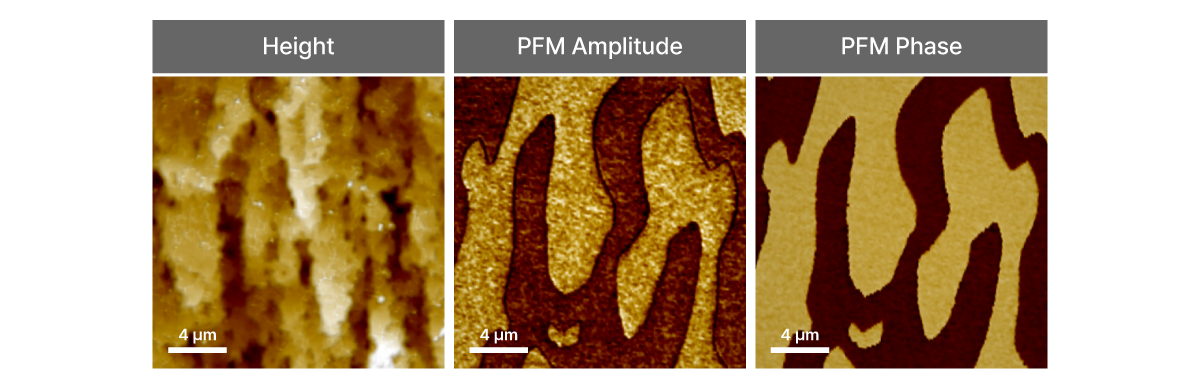
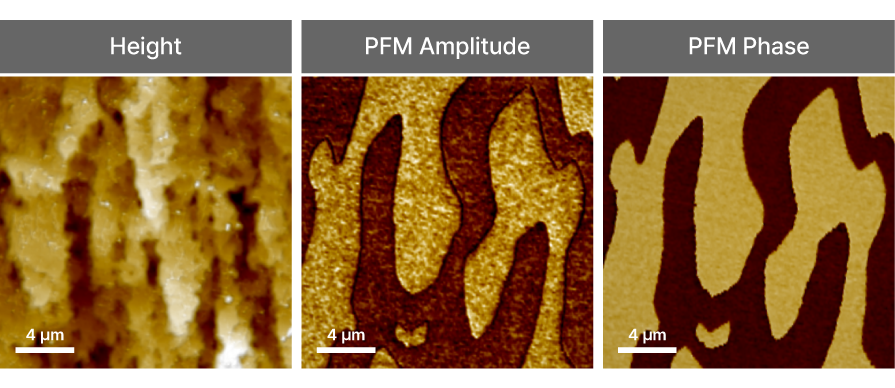
The PFM images present a study of deuterated L-alanine doped triglycine sulphate (DLaTGS), which serves as a pyroelectric detector element in IR spectrometers. Through simultaneous height, amplitude, and phase imaging, PFM enables high-resolution visualization of domain patterns and local piezoelectric response in DLaTGS crystals. This nanoscale characterization provides key insights into the material’s ferroelectric properties, essential for optimizing the performance and reliability of high-sensitivity IR detector applications
  • Sample: DLaTGS
  • System: NX10
  • Scan Size: 20 µm × 20 µm
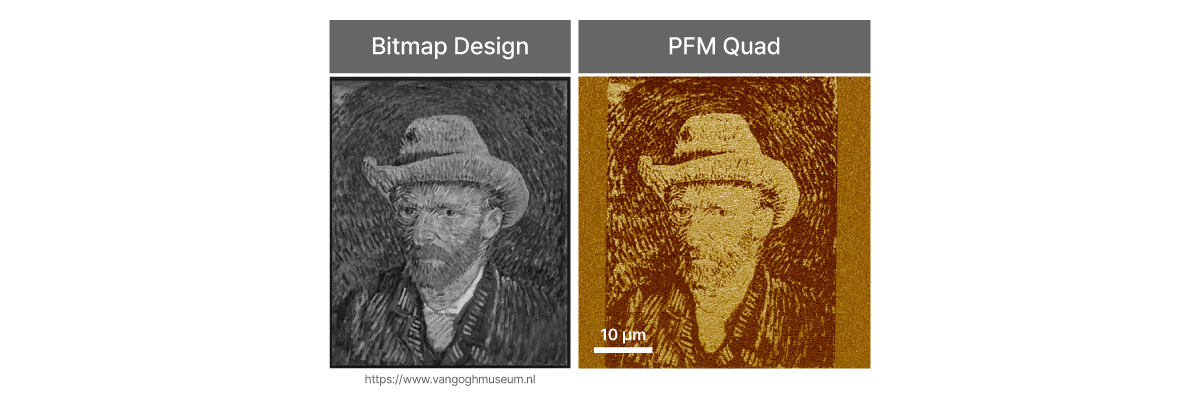
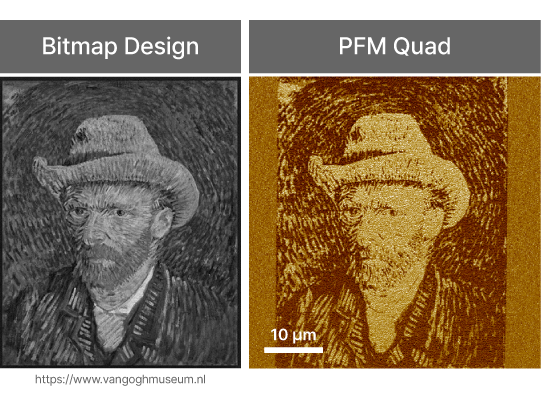
PFM, when combined with lithography, enables precise re-arrangement of ferroelectric domain polarization on functional surfaces. The image demonstrates this technique, where a bitmap design—patterned in the style of Van Gogh—is applied to a PZT surface using AFM tip bias lithography. Selective bias voltages induce localized domain switching, directly “writing” complex patterns by controlling the direction of the domain pole. Visualization with PFM quad imaging accurately resolves the resultant domain structure, highlighting the power of lithographic domain engineering for advanced data storage, functional device prototyping, and nanoscale art.
  • Sample: PZT Surface
  • System: NX20
  • Scan Size: 50 µm × 50 µm